11-12 June 2024
Location: Cornell University College of Veterinary Medicine – Ithaca, New York, USA
Host: Bronfenbrenner Center for Translational Research



Schedule
11 June 2024
(Day 1)
8.00 – 9.00
Registration and Breakfast
Takoda’s Run Atrium
9.00 – 9.15
Welcome and Introductions
Lecture Hall 4
9.15 – 10:15
Keynote Speaker: Johanne Morne
Lecture Hall 4
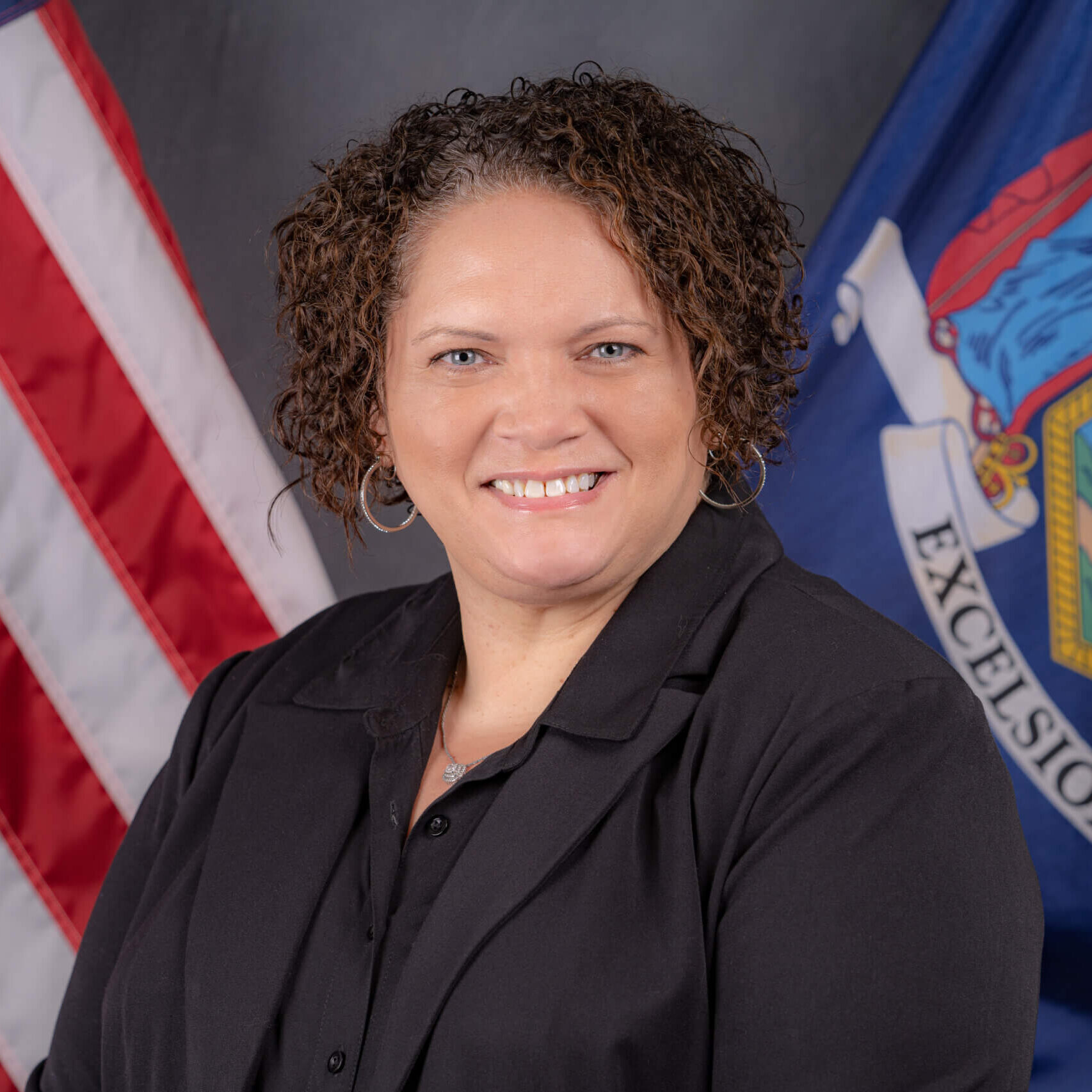
Johanne Morne
Executive Deputy Commissioner, Office of Health Equity and Human Rights for the New York State Department of Health
Johanne was appointed in August 2022 as a member of the New York State Department of Health’s Cabinet to lead the Department’s health equity and human rights planning, policy development and programming.
Johanne was previously with the AIDS Institute (AI) for 15 years, serving as director for six. The AI portfolio includes HIV and other sexually transmitted infection (STI) prevention and care, viral hepatitis prevention and treatment, drug user health and wellness, and LGBTQ+ health and human services. Johanne’s leadership has advanced the State’s Ending the AIDS Epidemic and Hepatitis C Elimination initiatives, and led to essential policy changes to promote expanded access to HIV, STI and Hepatitis C prevention, treatment, and care, as well as furthering statewide harm reduction programming and LGBTQ+ service delivery.
10.15 – 10.45
Table Discussions
Takoda’s Run Atrium
10.45 – 11.15
Break – Translational Research Bingo
Takoda’s Run Atrium
11.15 – 12.30
Parallel Sessions
Every Step You Take: Creating Research Products with the Public
Oral Presentations
Lecture Hall 4
Co-producing a story book for children who experience parental substance use: ‘Twinkle, Twinkle Arti’ By: Cassey Muir
Engaging Citizen Partners within a Rapid Review Process By: Emily Clark, Robyn Traynor, Susan Snelling, Maureen Dobbins, Farnaz Azarmju
Co-designing a Mobile Application with Immigrant Adolescents for better Sexual and Reproductive Health By: Salima Meherali, Saba Nisa
Better Questions + Better Methods = Better Research
Oral Presentations
Lecture Hall 5
Advancing Inclusive Public Health Monitoring: The Case of the Dutch Youth Monitor By: Mariëlle Cloin, Lisa van den Brekel
Round ‘Ere: Engaging the public on designing community wellbeing data hubs By: Emily Rempel, Gianfranco Polizzi, Simeon Yates, Emma Lord
Relational Systems Evaluation for Public Health Programs By: Jennifer Urban, Jane Buckley, Monica Hargraves
Teamwork: Public Proponents for Research and Education
Gallery Spaces
Wiswall Lab (Level 2)
The Voices of Stakeholders Within Free School Meal (FSM) Research By: Connie Dalton, Dr. Pamela L Graham, Dr. Richard Lee
Transitioning Power: Health Education as a Conduit Toward Health Equity By: William Chambers, Rhiannon John
Public Health Ambassadors: public engagement in practice during the COVID-19 pandemic and beyond By: Shannon Alvord, Samantha Hillson
Can we Create Moral Economy of Knowledge Co-Creation?
Fishbowl
Classroom 6
Public health research as an extractive industry: towards a moral economy of knowledge co-creation By: Lisa Garnham, Cat Tabbner
CANCELED
12.30 – 13.30
Lunch
Takoda’s Run Atrium
13.30 – 14.30
Keynote Speaker: Jeremy Taylor
Lecture Hall 4

Jeremy Taylor, OBE
Director for Public Voice, National Institute for Health and Care Research (NIHR)
Jeremy Taylor is a leader and expert in patient voice. Since 2020, he has led and strengthened NIHR’s work on public engagement and the dissemination of research evidence.
From 2009 to 2019 Jeremy was chief executive of National Voices, the national patient advocacy charity. It grew in stature from a start-up under his leadership and he was awarded the OBE in recognition of this work. He is also a former senior Treasury official.
Jeremy is co-author of “Organising Care Around Patients” published by Manchester University Press in 2021 and a chapter author of Research Handbook on Leadership in Healthcare published by Edward Elgar in September 2023.
14.30 – 15.45
Parallel Sessions
Experience Matters: Policy-Makers and Practitioners as Partners
Oral Presentations
Lecture Hall 5
Leveraging partnerships with practitioners and policy makers to support action-oriented public health research in homeless populations By: Sheena Ramsay, Emma Adams, Neha Jain
“I can see my life in that diagram”: reflections on the challenge and necessity of bringing lived experience insights into systems science and policy modelling By: Lisa Garnham, Ellen Stewart, Kat Smith
Setting up a national learning community for Public Health professionals. And how to involve the public? By: Tamara van Waardenburg
Interactive Poster Session
Posters
Takoda’s Run Atrium
Flourishing at the frontlines of healthcare delivery: Strengthening character virtues among frontline health workers delivering care to underserved communities in Sindh, Pakistan By: Danya Arif Siddiqi, Manaksha Memon, Muhammad Owais Siddiqui, Mubarak Taighoon Shah, Monica Hargraves, Jennifer Urban, Subhash Chandir
Attitudes Towards Telehealth Among Rural Georgians By: Tyler Collette, Akanksha Manna
Reducing loneliness through culturally appropriate, faith-based activities in older Chinese and South Asian communities By: Zeb Sattar, L. Geddes, S. Ahmed, L. Lochhead, S. M.Carr
Life-Space Mobility: Unraveling the Impact of Osteoarthritis on Mobility Patterns among Older Immigrant Women in Canada By: Saba Nisa, Jordana Salma
Real Experiences of Youth Voice in Policy
Fishbowl
Classroom 6
Youth Voice in Policy-Making: Real-World Experiences By: Eric Zasada, Michelle McCarthy
15.45 – 16.00
Break
16.00 – 17.00
Plenary Panel: Seldom Heard Voices in Public Health
Lecture Hall 4
Moderator: Lorraine Francis, Cornell
Panelists: Amie Patchen, Cornell; Amelia Greiner-Safi, Cornell; Gen Meredith, Cornell
17.00 – 18.30
Open Time or Walking Tour of Cornell Campus
18.30 – 20.00
Dinner
Cornell Human Ecology Commons, Level T, Martha Van Rensselaer Hall
Driving Address: 37 Forest Home Drive, Ithaca, NY 14853 (park in the Forest Home Garage, take elevators to Level T)
Walking Address: 116 Reservoir Avenue, Ithaca, NY 14853 (Front entrance is at Level 1, take elevator or stairs down to Level T)
If walking from conference venue: Follow posted directions from College of Veterinary Medicine to Martha Van Rensselaer Hall
12 June 2024
(Day 2)
8.00 – 9.30
Breakfast
Takoda’s Run Atrium
9.00 – 9.30
Table Discussion
Takoda’s Run Atrium
9.30 – 11.45
Parallel Sessions
Better Together: Including Diverse Co-Researchers
Oral Presentations
Lecture Hall 4
Engaging Peers in Public Health Research: Evaluation of Whole Systems Approach in the Management of Child Healthy Weight By: Murali Krishnan Perumbakkam Subramanian
Creating supportive spaces and inclusive opportunities for co-producing research with people experiencing homelessness and other forms of disadvantage By: Emma Adams, Sheena Ramsay, Neha Jain
How can we include infant voice in public health through ARTS (sAy fRom The Start)? By: Bronia Arnott, Arwa Katab, Ben Dickenson, Ian Robson
I’ve Got to Make Sure That I’m Emotionally Well as Well: Use of I-Poems as a Reflective Device in a Peer Research Project on Men’s Health By: Shelina Visram, Mabel Lie, Richie Andrew, Neil Carter, Jonathan Lee, Matthew Williams
The promise of community co-researchers in increasing public health research inclusivity and decreasing population health inequalities: What do we know from a PHIRST-Fusion, CHIL Consortia, and Blackpool HDRC collaborative project By: Bronia Arnott, Stacey Walker, Nai Rui Chng, Sandra Bee, Riley Bunce, Sharon Hird, Matthew Parker, Peter Craig, Hannah Maiden
Interactive Poster Session
Posters
Takoda’s Run Atrium
Cultivating Collaborative Engagement: A Journey towards Enhanced Public Involvement in UK Public Health Research with Fuse, the Centre for Translational Research By: Laura Ritson, Susan Carr, Ella Anderson
Vaccination Conversations with Scientists: Compassionate, science-backed conversations improve community perception of COVID-19 vaccinations By: Kara Rode-Webber, Flavia Scott, Sonia Parmar, Alyssa W. Kaganer, Itunu Adejare, Christian Bertomo, Aljay Carnate, Alexa Cohn, Elaine Geng, John He, Daniel Kim, Scarlett Lee, Corinna Loeckenhoff, Grace Marshall, Tej Shah, Rachael Skye, Angelina Tang, Arian Thakurdyal, Brian Wang, Cassandra Wattenburger, and Kara Fikrig
Communities in the lead- Implementing local health policies involving neighbourhood residents By: Ien van de Goor, John Dierx
ASCD Healthy School Communities Project: Engaging Stakeholders for Capacity Building and Sustainability By: Robert Valois, Sandra K. Kammermann
Conversing with the public – exploring public health writing among Swedish professionals By: Robert Larsson, Maria Norfjord, Jennifer Beard
Cultivating Reciprocations of Care through a Critical Conversation Space Curriculum By: Gabrielle Kubi, Haley Montgomery, Eden G. Harrison, Mara Johnson
Strategies for Engaging African CommunitKies in Public Health By: Kingsley Chigbu, Florence Ugochi Chigbu
About that Data: Gathering, Evaluating, and Insight
Gallery Spaces
Wiswall Lab (Level 2)
User-Centered Approaches to Engage Parents in the Design of a Digital Health Intervention By: Shariwa Oke, Laura L. Bellows, Sondraw Eby Eisenstat, Ligia I. Reyes, Beatriz A. Carmona
Evaluating Public Health Programs Using Theories of Change By: Jane Buckley, Jennifer Urban
Prioritizing quality public and community level evidence in decision making: The Quality Assessment of Community Evidence (QACE) Tools By: Emily Clark, Susan Snelling, Maureen Dobbins
Test to Protect (T2P): Empowering the Public in the Battle Against COVID By: Barbara Goodall, Amy Grant
Researchers as Mandated Reporters
Fishbowl
Classroom 6
Research and Evaluation with Youth: Researchers as Mandated Reporters By: Vicki Baum
11.45 – 12.45
Lunch
Takoda’s Run Atrium
12.45 – 13.45
Keynote Speaker: Subhash Chandir
Lecture Hall 4

Dr. Subhash Chandir, Ph.D., MBBS, MPH, CPH
Founding director, IRD Global
Dr. Subhash Chandir is a founding director of IRD Global. He earned his medical degree from Pakistan and pursued a Masters in Public Health (Infectious Diseases) and a doctorate in Global Disease Epidemiology and Control from Johns Hopkins University.
Over the past two decades, Dr. Chandir has conducted or participated in various studies and projects in Pakistan, Bangladesh, Indonesia, Kenya, Nigeria, Peru, Ecuador, the United Arab Emirates, and the US. His research and teaching efforts have been focused on several critical areas, including infectious disease epidemiology, surveillance, immunizations, women and child health, economic incentives, capacity building of frontline health workers, digital health, and operational research.
Dr. Chandir serves on the faculty at Johns Hopkins Bloomberg School of Public Health, and is a member of the World Health Organization’s Digital Health Technical Advisory Group.
13.45 – 15.25
Parallel Sessions
Innovative Interventions
Oral Presentations
Lecture Hall 5
Creative Play on Prescription for Parents: A Pilot Intervention around Birth Trauma, Postnatal Depression and Reflective Function By: Paige Davis
Lessons Learned from Involving Citizens in the Development of a Local Health and Wellbeing Strategy By: Shelina Visram, Mabel Lie, Mandy Cheetham, Philip Hodgeson, Anna Christie, Meg Logan, Joseph Jasperse
Using a participatory approach to addressing barriers to early diagnosis of prostate cancer among Black men in the North-East of England and Scotland By: Floor Christie-de Jong, Olugbenga Samuel Oyeniyi, Lawrence Nnyanzi, Judith Eberhardt, John Kabuye, Martin Kalemba, Marie Kotzur, Kathryn A. Robb
Interactive Poster Session
Posters
Takoda’s Run Atrium
Engaging Adolescents in Sexual and Reproductive Health and Rights and Family Planning Advocacy in Pakistan By: Salima Meherali, Zohra Lassi
Public Partners Take the Mic: Fuse’s “Research and Me” Podcast and its Promise for Public Engagement By: Mark Welford
Engaging Kinship Caregivers in Advocating for School-Based Dental Services By: Nancy Mendoza, Angela Tovar
Fulfilling potential and keeping commitments: Exploring the “promises” for public involvement and engagement in the National Institute for Health and Care Research (NIHR) School for Public Health Research (SPHR) in England, UK By: Lesley Haley, Margaret Ogden
All our children. A pragmatic case study exploring the impact of a significant other, place or thing on young people’s development using the Capability Approach and the Person, Process, Context and Time Model By: Sasha Ban
Cabaret of Dangerous Ideas
Classroom 7
The Promise of Engaging Youth in Public Health and the Impact of Adultism By: Heather Wynkoop Beach, Marisol De Leon
Patient and Public Involvement and Engagement in research – Do we need an ‘ethical anchor’? By: Sophie Suri, Joanne Lally, Samantha Harrison, Alex Belvin-Nicholls, Felicity Shenton
Can we do that here?”: Context-Awareness in Dissemination and Implementation of Public Health Programs By: Jennifer Urban, Jane Buckley, Monica Hargraves
Engaging the Public: Successes and Failures
Fishbowl
Classroom 6
Engaging the public in public health: What does it mean for our research? Reflecting on successes and failures from Tranzo and Fuse By: Ien van de Goor, Peter van der Graaf
15.25 – 15.45
Break
15.45 – 16.45
Plenary Panel: History and Future of Fuse
Lecture Hall 5
Moderator: Amanda Purington Drake, Cornell
Panelists: Ashley Adamson, former director of Fuse; Ien van de Goor, Tanzo/Tilburg University; Sheena E. Ramsay, director of Fuse
16.45 – 17.30
Planning for the next Fuse Conference
Lecture Hall 5
17.30
Conference Ends
Shuttle Schedule – 11 June
7.45
Pickup #1 at Hotel Ithaca, drop-off at Schurman Hall, CU Vet College for registration and breakfast (8.00-9.00)
8.15
Pickup #2 at Hotel Ithaca, drop-off at Schurman Hall, CU Vet College, for registration and breakfast
17.00
Pickup at CU Vet College, drop-offs at MVR Hall (for campus walking tour) and at Hotel Ithaca
18.15
Pickup at Hotel Ithaca, drop-off at MVR Hall for dinner
20.30
Pickup near MVR Hall, drop-offs at CU Vet College and Hotel Ithaca
Shuttle Schedule – 12 June
08.00
Pickup at Hotel Ithaca, drop-off at CU Vet College for Breakfast (08.00-09.30)
08.30
Pickup at Hotel Ithaca, drop-off at CU Vet College
17.00
Pickup at CU Vet College, drop-off at Hotel Ithaca
17.45
Pickup at CU Vet College, drop-off at Hotel Ithaca
Session Descriptions
Co-producing a story book for children who experience parental substance use: ‘Twinkle, Twinkle Arti’ By: Cassey Muir
This presentation will focus on the co-production of a story book that aims to support the emotional and social wellbeing of children whose parents use alcohol and/or drugs. We have collaboratively worked with children, parents, teachers, practitioners, an author, illustrator, and film club to develop a story book and story time video. The book translates findings from two linked studies and is a tool to facilitate conversations between trusted adults and children. The presentation will cover: 1) details on how and why the book was developed; 2) a showcase of the finished book/video and the themes presented within it (with a limited number of copies to share with interested colleagues); and 3)feedback on usability and impact.
Engaging Citizen Partners within a Rapid Review Process By: Emily Clark, Robyn Traynor, Susan Snelling, Maureen Dobbins, Farnaz Azarmju
To make rapid reviews more responsive and relevant to priority issues, the National Collaborating Centre for Methods and Tools’ (NCCMT) Rapid Evidence Service (RES) meaningfully engages citizen partners with lived experience in the development of rapid reviews on various public health topics. The NCCMT’s RES has successfully engaged 21 public partners across 19 rapid reviews, bringing unique insights and perspectives that enhance the relevance of the reviews. This session will explore formally incorporating public engagement in the rapid review process to address a major gap in the evidence synthesis and decision-making process.
Co-designing a Mobile Application with Immigrant Adolescents for better sexual and Reproductive Health By: Salima Meherali, Saba Nish
In my presentation, I will share how we can actively engage end-users, such as adolescents, in designing and developing knowledge translation interventions or strategies. Co-designing and tailoring KT interventions according to young people’s needs, preferences, and context will ultimately lead to more impactful utilization of health information and in healthcare decision-making.
Advancing Inclusive Public Health Monitoring: The Case of the Dutch Youth Monitor By: Mariëlle Cloin, Lisa van den Brekel
Public health monitoring is essential for understanding societal trends, but inclusivity challenges exist. This is also the case in the Dutch youth health monitor, which only surveys mainstream secondary school students, excluding those in special or practical education. Our project aims to improve the inclusivity of the youth health monitor, focusing on the 2021 monitor (n=166,252) to study COVID-19’s impact on young people’s health. The goal is to incorporate diverse stakeholders, including students and parents, input throughout the monitoring process.
Round ‘Ere: Engaging the public on designing community wellbeing data hubs By: Emily Rempel, Gianfranco Polizzi, Simeon Yates & Emma Lord
Data used to track community health and wellbeing are often top-down measures focused on ill health. We present an evaluation of a peer research and public engagement method to build bottom-up community wellbeing data hubs. Using appreciative inquiry we look at how to support a community to ask itself how to measure wellbeing.
Relational Systems Evaluation for Public Health Programs By: Jennifer Urban, Jane Buckley, Monica Hargraves
Relational Systems Evaluation (RSE) is an empirically tested framework for program evaluation and planning that integrates principles associated with systems theories in order to develop evaluation capacity, enhance evaluation quality, integrate research and practice, and ultimately improve programs. RSE provides a practical way to bridge theory and practice in evaluation by working through evaluator-practitioner partnerships to integrate diverse sources of expertise and build evaluation capacity. RSE is operationalized using the Systems Evaluation Protocol (SEP), a step-by-step protocol for planning, implementing and utilizing an evaluation of programs or interventions. The talk will describe the structured process for working with programs on evaluation planning using the SEP and the Netway, a publicly available online evaluation tool.
Relational Systems Evaluation for Public Health Programs By: Jennifer Urban, Jane Buckley, Monica Hargraves
Relational Systems Evaluation (RSE) is an empirically tested framework for program evaluation and planning that integrates principles associated with systems theories in order to develop evaluation capacity, enhance evaluation quality, integrate research and practice, and ultimately improve programs. RSE provides a practical way to bridge theory and practice in evaluation by working through evaluator-practitioner partnerships to integrate diverse sources of expertise and build evaluation capacity. RSE is operationalized using the Systems Evaluation Protocol (SEP), a step-by-step protocol for planning, implementing and utilizing an evaluation of programs or interventions. The talk will describe the structured process for working with programs on evaluation planning using the SEP and the Netway, a publicly available online evaluation tool.
The Voices of Stakeholders Within Free School Meal (FSM) Research By: Connie Dalton, Dr. Pamela L Graham, & Dr. Richard Lee
Free School Meals (FSM) have been a longstanding feature of the educational landscape of the UK as an intervention to address malnourishment, they are available to school aged children who come from households which meet a varied list of criteria. However, research has shown that children are less likely to be invited to participate in research into FSM. Children, parents and school staff from across the UK were invited to participate in a research project on FSM utilising photovoice, interviews and focus groups to share their experiences on the FSM system. This gallery space will mainly look at the potential of involving children and young people in research on public health, focusing on FSM from a human rights based perspective, in line with the United Nations Convention on the Rights of the Child’s Article 12.
Transitioning Power: Health Education as a Conduit Toward Health Equity By: William Chambers, Rhiannon John
This presentation will highlight the role of health education as an innovative method of engaging the public in public health. Providing diverse populations with health education helps individuals make informed decisions regarding their healthcare and equips them with the necessary tools to relay that education to others. To this end, our presentation will explore practical ways to use health education as an engagement tool for any population being served—utilizing the multifaceted experiences and expertise of current sexual health educators.
Public Health Ambassadors: public engagement in practice during the COVID-19 pandemic and beyond By: Shannon Alvord, Samantha Hillson
With the launch of COVID-19 vaccination efforts in 2021, the Tompkins County Health Department took a unique approach to promote vaccination among hesitant groups. Hiring individuals from within target populations, our Public Health Ambassadors (PHA) took public health directly into the community, to be physically present and visible. The success of our PHA pilot allowed us launch a Community Health Worker program, an initiative rooted in building self-advocacy and agency among those most impacted by structural and systemic issues that contribute to health disparities and negative health outcomes.
Public health research as an extractive industry: towards a moral economy of knowledge co-creation By: Lisa Garnham, Cat Tabbner
We face a number of obstacles in moving towards non-extractive research praxis in our work on poverty and public health in Glasgow, Scotland. Others, in other settings, are experiencing the same. Challenges have primarily stemmed from the demands of research institutions on us and our collaborators. We wonder: can we create a ‘moral economy’ of knowledge co-creation within this system? How?
Leveraging partnerships with practitioners and policy makers to support action-oriented public health research in homeless populations By: Sheena Ramsay, Emma Adams, Neha Jain
In this presentation, we will present case studies of research projects where policy makers and practitioners have been involved resulting in actionable findings. The case studies are based on research projects providing different examples and reflections on engaging with relevant stakeholders, and how that shaped and informed our research. The research projects were related to the health of populations experiencing homelessness, and related disadvantages. Learnings shared in this presentation would be applicable to public health and inequalities research, more widely.
“I can see my life in that diagram”: reflections on the challenge and necessity of bringing lived experience insights into systems science and policy modelling By: Lisa Garnham, Ellen Stewart, Kat Smith
We present an innovative attempt to use systems maps to combine evidence synthesis with lived experience narratives about the housing-health system. We reflect on the crucial insights offered by lived experience contributions and what this reveals about the limitations of the ‘evidence cultures’ currently dominating health research and policy work in the UK.
Setting up a national learning community for Public Health professionals. And how to involve the public? By: Tamara van Waardenburg
In the Netherlands, municipalities, health insurers and the Dutch Ministry of Health, Welfare and Sport are jointly committed to healthy and active living (Healthy and Active Living Agreement) and to appropriate care (Integral Care Agreement). Both agreements pursue an integrated and cross-domain policy to achieve these goals, consisting of the implementation of preventive approaches at local level. To optimally advise local governments, public health (PH) professionals need knowledge and skills on how to implement cross-domain preventive approaches successfully. Therefore, a learning community for PH professionals is initiated in 2023 on a national level, financed by the Dutch Ministry of Health, Welfare and Sport. During this presentation I will explain how we set up the learning community and how we try to involve the public.
Flourishing at the frontlines of healthcare delivery: Strengthening character virtues among frontline health workers delivering care to underserved communities in Sindh, Pakistan By: Danya Arif Siddiqi
Our work addresses the challenges faced by Frontline Health Workers (FHWs) in Low Middle-Income Countries (LMICs), particularly in Pakistan, focusing on issues such as burnout, training gaps, and safety concerns. We propose an innovative solution—a tailored humanities-based curriculum leveraging local arts and literature to reconnect FHWs with their sense of purpose, fostering empathy and improving patient care. We present findings from our study that employs a multi-phase mixed-methods approach, to evaluate the feasibility and impact of the humanities-based curriculum piloted with 100 vaccinators and lady health workers and evaluated using an adapted purpose scale and in depth interviews with participants. We will share lessons learned from the study and present policy implications of our work.
Attitudes Towards Telehealth Among Rural Georgians By: Tyler Collette, Akanksha Manna
In rural Georgia, many residents face chronic health issues and a lack of local healthcare providers. Telehealth services are a solution to this major access gap. This study examines attitudes toward telehealth usage in rural Georgia to explore factors for engagement. The analysis revealed that prior telehealth experience influenced current positive attitudes.
Reducing loneliness through culturally appropriate, faith-based activities in older Chinese and South Asian communities By: Zeb Sattar, L. Geddes, S. Ahmed, L. Lochhead, & S. M. Carr
Minority ethnic older South Asian (SA) people suffer persistent health inequalities. Addressing cultural barriers to access health and social care services should therefore be a public health priority. Experiences of older SA people engaging in culturally appropriate social activities and one-to-one support services were explored to understand how they reduce loneliness and social isolation. A three-year mixed methods evaluation study (2021-2024) was conducted in a Northern part of England.
Life-Space Mobility: Unraveling the Impact of Osteoarthritis on Mobility Patterns among Older Immigrant Women in Canada By: Saba Nisa, Jordana Salma
Osteoarthritis poses a formidable barrier to the life space mobility of older immigrant women in Canada, limiting their independence and participation in societal activities. This research presentation sheds light on the unique challenges faced by this demographic. It aims to provide a platform to attendees for understanding the multifaceted intersection of culture, health, and mobility, driving meaningful action towards more equitable healthcare and social support systems for older immigrants.
Youth Voice in Policy-Making: Real-World Experiences By: Eric Zasada, Michelle McCarthy
Many national and international bodies, including the Centers for Disease Control and Prevention, the World Health Organization, and the United Nations (among others), call for youth participation and voice in decision-making and policy. Youth Advisory Councils (sometimes called Youth Advisory Boards) are often created as a way to integrate youth voice. But how do these approaches to meaningful youth engagement in decision- and policy-making really work?
In this fishbowl, facilitators will engage participants in discussion about their real-world experiences integrating youth voice in decision- and policy-making. The discussion will explore topics ranging from the process of developing an approach for integrating youth voice in decisions and policy, to the necessary preparations for youth and adults for meaningful youth engagement, to the challenges experienced and strategies to overcome them.
Engaging Peers in Public Health Research: Evaluation of Whole Systems Approach in the Management of Child Healthy Weight By: Murali Krishnan Perumbakkam Subramanian
Dundee City Council in Scotland pioneers the Whole Systems Approach (WSA) to Child Healthy Weight with a focus on community collaboration. We partnered with local stakeholders, employing a mixed-methods approach including Participatory Ethnographic Evaluation and Research (PEER). Trained peer researchers conducted interviews, revealing benefits like teamwork and shared responsibility but also challenges such as limited community visibility. This approach exemplifies community engagement in public health, aligning with the conference theme for 2024 ‘The Promise of Engaging the Public in Public Health’.
Creating supportive spaces and inclusive opportunities for co-producing research with people experiencing homelessness and other forms of disadvantage By: Emma Adams , Sheena Ramsay, Neha Jain
In this session, we will provide an overview of approaches used to co-produce qualitative studies and a systematic review with people experiencing homelessness alongside other forms of disadvantage. We will focus on three distinct experiences: 1) co-producing a qualitative systematic review, 2) co-producing qualitative thematic analysis, and 3) co-producing a visual representation of research findings. We will use these three case studies, to illustrate areas for success, challenges, and actions taken. Learnings shared in this presentation would be applicable to public health and inequalities research undertaking involvement and engagement activities, more widely.
How can we include infant voice in public health through ARTS (sAy fRom The Start)? By: Bronia Arnott, Arwa Katab, Ben Dickenson & Ian Robson
What do babies have to say about public health? It is a human right that children of all ages can express their views on matters that affect them, and we have a duty to ensure their views are acted on – yet the voices of our youngest citizens are seldom heard. Using the Lundy Model, a rights-based model of participation, we use creative play sessions to explore the promise of meaningful involvement and engagement of infants in public health and whether this can be facilitated through the arts to give babies a say from the start.
I’ve Got to Make Sure That I’m Emotionally Well as Well: Use of I-Poems as a Reflective Device in a Peer Research Project on Men’s Health By: Shelina Visram, Mabel Lie, Richie Andrew, Neil Carter, Jonathan Lee, Matthew Williams
Peer research is increasingly seen as a way to engage and gather insights from marginalised groups. In the context of mental health, men are an under-represented group who often avoid engaging with services. This presentation will share learning from a project on men’s mental health that involved using i-poems as a reflective device for the three peer researchers, who interviewed one another. Reviewing the i-poems led to important insights around the role of identity, time and place within the research.
The promise of community co-researchers in increasing public health research inclusivity and decreasing population health inequalities: What do we know from a PHIRST-Fusion, CHIL Consortia, and Blackpool HDRC collaborative project By: Bronia Arnott, Stacey Walker, Nai Rui Chng, Sandra Bee, Riley Bunce, Sharon Hird, Matthew Parker, Peter Craig & Hannah Maiden
Community co-researchers are local residents with relevant lived experience who receive training, support and part-time employment to undertake research activities. Will a community co-researcher model increase inclusion of diverse groups in a public health evaluation? Can we find out the answer to this question by using ripple effects mapping, a participatory research technique? Will community co-researchers help realise the promise of engaging the public in public health by increasing inclusivity and decreasing health inequalities?
Cultivating Collaborative Engagement: A Journey towards Enhanced Public Involvement in UK Public Health Research with Fuse, the Centre for Translational Research By: Laura Ritson, Susan Carr, Ella Anderson
This interactive poster focuses on the development of Public Involvement and Engagement (PIE) in UK public health research, especially within the Fuse research strategy. Fuse has centralised and reinforced its PIE initiatives by forming a Public Involvement and Engagement Committee (PIEC) and appointing a dedicated leadership role. Fuse are dedicated to cohesive PIE management, promoting various public perspectives and collaborations with broader involvement groups and research entities, thereby improving communication and dissemination to diverse communities.
Vaccination Conversations with Scientists: Compassionate, science-backed conversations improve community perception of COVID-19 vaccinations By: Kara Rode-Webber
Vaccination Conversations with Scientists is an initiative promoting vaccine uptake by connecting volunteer Cornell University scientists with community members, encouraging conversations about the science behind COVID-19 vaccines. Our direct canvassing strategies have resulted in over 10K conversations throughout the pandemic, providing insight into vaccine hesitancy and increasing self- reported likelihood to get vaccinated pre- and post-conversation.
Communities in the lead- Implementing local health policies involving neighbourhood residents By: Ien van de Goor and John Dierx
To tackle persisting health disparities three middle-sized Dutch municipalities aim to implement an integral, area-oriented approach with citizens center stage. The policy implementation process is followed by a learning evaluation approach. In this session we present preliminary findings showing that personnel shortage, high turnover rates and low policy priority make it difficult to keep track on what is going in the selected neighborhoods. Moreover communication between resident representatives and the municipality is often poor and successful initiatives seem to be built on experienced district coordinators and dedicated resident volunteers who know their way around the municipality.
ASCD Healthy School Communities Project: Engaging Stakeholders for Capacity Building and Sustainability By: Robert Valois and Sandra K. Kammermann
We will describe: 1) ASCD as a membership-based, nonprofit organization for education leaders; 2) the ASCD Whole Child Initiative; 3) Development, implementation and evaluation of the ASCD Healthy School Communities Project (HSC); and 4) Stakeholder engagement methods in the process for Whole Child capacity building, sustainability and policy development.
Conversing with the public – exploring public health writing among Swedish professionals By: Robert Larsson, Maria Norfjord, Jennifer Beard
Public health work involves diverse writing tasks to communicate various health messages. Writing is a key competence in public health training, but little is known about the practice in Sweden. This study aims to explore writing practices among Swedish public health professionals through a web-based questionnaire. Our results and presentation offer cross-cultural insight into engaging the public in public health
Cultivating Reciprocations of Care through a Critical Conversation Space Curriculum By: Gabrielle Kubi, Haley Montgomery, Eden G. Harrison, and Mara Johnson
This project qualitatively documents 7 university-based Black girls’ training in a semester- long community-engaged course exploring Black women’s and girls’ educational and psychological experiences; and their simultaneous facilitation of Black girl-centric, identity-based dialogue programming. We investigate how and what they learned about care during this time. Our preliminary themes pertain to trust, respect, support, self-esteem, and accountability. More broadly, we aim to privilege Black girls’ and women’s communal, interpersonal, and medical care, particularly combatting misogynoir as it obstructs open, safe conversations regarding adolescent Black girls’ health (Beach et al., 2021; Pratt et al., 2022).
Strategies for Engaging African Communities in Public Health By: Kingsley Chigbu, Florence Ugochi Chigbu
In this presentation, we will share a model of public engagement in healthcare that has been developed and presented among African immigrants in the US on the subject of public health. Our model was derived during the COVID-19 pandemic, following the gathering of series of data – quantitative and qualitative. We observed that the African community in the US has a cultural way of accessing, trusting, and engaging in health-related spaces. This informed our interest to engage more with the community to understand why there was some level of resistance towards anything that had to do with healthcare discourse. This observation was predominantly with the adult population which needs more information in the area of healthcare compared to the young ones. Our inquiries and findings yielded enough data from which we developed the Public Engagement in Healthcare Model (PEHM). The model has seven aspects that comprises stages and modes of engagement and sustained feedback. We will share the lessons learned from implementing this model, as well as areas for improvement. We will also share thoughts and ideas that other communities may find useful in formulating ways to engage specific cultural groups.
User-Centered Approaches to Engage Parents in the Design of a Digital Health Intervention By: Shariwa Oke, Laura L. Bellows, Sondraw Eby Eisenstat, Ligia I. Reyes, Beatriz A. Carmona
User Centered Design (UCD) is a promising approach to engage the public in the development of digital health interventions. The e-Healthy EnviROnments study (eHEROs), a digital nutrition and physical activity intervention, used UCD-based methods to engage the priority audience (parents of preschoolers with limited resources) throughout the development process. An online survey (n=116), virtual interview (n=16), and wireframe testing (2 phases; n=5/phase) were completed to understand the needs and preferences of this audience. Multiple stages of development, in partnership with software developers, were crucial in understanding feasibility and acceptability of eHEROs strategies. This work hopes to spark conversations about the strengths, challenges, and opportunities of UCD methods in the design of digital interventions.
Evaluating Public Health Programs Using Theories of Change By: Jane Buckley, Jennifer Urban
In this small group discussion, we will describe the central role of a well-developed pathway model (programmatic theory of change) in the evaluation of public health programs.
Prioritizing quality public and community level evidence in decision making: The Quality Assessment of Community Evidence (QACE) Tools By: Emily Clark, Susan Snelling, Maureen Dobbins
In addition to research findings, evidence-informed decision-making in public health uses evidence from community sources, such as local health data and community and political preferences, to inform decisions. Previously, there were no relevant tools available to assess the quality of evidence from these sources. To fill this gap, the National Collaborating Centre for Methods and Tools created the Quality Assessment of Community Evidence (QACE) tools. Explore how the innovative QACE tools support the integration of high-quality community evidence into the decision-making process, centering the public in decisions that directly affect their health.
Test to Protect (T2P): Empowering the Public in the Battle Against COVID By: Barbara Goodall, Amy Grant
With 5,000+ volunteers contributing 100,000+ hours, and providing over 3 million COVID tests, T2P became integral to the provincial pandemic response. T2P goes beyond case detection, empowering communities with self-determination, access, and autonomy. Gain key insights for future health engagement strategies in positively engaging the public.
Research and Evaluation with Youth: Researchers as Mandated Reporters By: Vicki Baum
Research and program evaluation conducted in relation to youth is more important than ever as we work across practice, policy, and academia to collectively promote the health and well- being of youth. When working toward the promotion of health and well-being among youth, sensitive topics such as sexual health, mental health, and various traumas cannot be ignored. The collaborative effort across fields to conduct research and evaluation helps us inform our knowledge and programming to both prevent negative outcomes and respond to youth needs. Within New York State various direct service professionals are required to be mandated reporters, obligated to report suspected child abuse and maltreatment to the Child Protective Services (CPS) system. Trainings are provided to identify clear indicators and make an informed report based on substantial evidence. Currently, researchers working with youth in New York State are not required to act as mandated reporters.
The question for researchers becomes, are we obligated to report suspected abuse to CPS? Or does this become an overwhelming burden that can prevent much needed research from occurring?
As a licensed social worker conducting a program evaluation with foster care-involved youth, interviews posed a risk of disclosure, as youth were free to respond to open ended questions. Although the questions in the interview were not related to anything that may lead to a disclosure, language indicating the participation of a mandated reporter needed to be included within the consent process. The program partner was concerned that “mandated reporter” could influence youth participation due to their negative interactions in the past. It was decided that the research staff member would only interview youth over the age of 18, removing the concern for minors. This fishbowl session welcomes the opportunity for thoughtful conversation regarding implications from all perspectives.
Creative Play on Prescription for Parents: A Pilot Intervention around Birth Trauma, Postnatal Depression and Reflective Function By: Paige Davis
This talk will discuss research around the first socially prescribed creative play programme in the UK for families with children 0-3-years-old. This study examines three cohorts of parents looking at postnatal depression, birth trauma and reflective functioning scores before and after a 5-week creative play on prescription community intervention. Questionnaires gleaned 28 paired reports of the City Birth Trauma Scale, Edinburgh Postnatal Depression Scale and Reflective Functioning Questionnaire. A repeated measures ANOVA found significant changes in postnatal depression scores with no interaction effect for those who attended 1 or 2 cohorts. Birth trauma report predicted parent depression scores and reflective functioning uncertainty after the intervention. Results are discussed in terms of trauma informed focus, length of intervention and future socially prescribed creative play iterations.
Lessons Learned from Involving Citizens in the Development of a Local Health and Wellbeing Strategy By: Shelina Visram, Mabel Lie, Mandy Cheetham, Philip Hodgeson, Anna Christie, Meg Logan, Joseph Jasperse
South Tyneside Council were keen to include the voices of seldom-heard groups in the development of their new Health & Wellbeing Strategy. We worked with the local voluntary sector to engage with people from diverse communities and gather their insights on what a healthier, happier South Tyneside would look like. This presentation will involve reflecting on the successes and setbacks we experienced; while we failed to recruit local people as co-researchers, we were able to gather in-depth insights on the wider determinants of health and shift the focus away from an individual lifestyle approach.
Using a participatory approach to addressing barriers to early diagnosis of prostate cancer among Black men in the North-East of England and Scotland By: Floor Christie-de Jong
Black men are at least twice as likely to develop prostate cancer. This presentation describes the process and outcome of working in partnership with men from the Black African and Caribbean community in North-East England and Scotland to co-design a peer-led intervention to raise awareness of the increased risk of prostate cancer
Engaging Adolescents in Sexual and Reproductive Health and Rights and Family Planning Advocacy in Pakistan By: Salima Meherali, Zohra Lassi
The poster will advance the limited knowledge base on the SRHR knowledge and information needs of adolescents in rural Pakistan and the science underpinning participatory action research methods with adolescents. I will share the importance of public engagement in science and innovation.
Public Partners Take the Mic: Fuse’s “Research and Me” Podcast and its Promise for Public Engagement By: Mark Welford
This presentation looks at the innovative and award-winning “Public Health Research and Me” podcast, led by public partners from Fuse, the Centre for Translational Research in Public Health, in the UK. The podcast redefines roles by placing public partners in the position of creators and hosts. Enabling them to curate guests and pose questions that directly address research pertinent to their own lived experiences, effectively bridging the gap between public health research and the communities it seeks to benefit.
Engaging Kinship Caregivers in Advocating for School-Based Dental Services By: Nancy Mendoza, Angela Tovar
Kinship families are often overlooked and experience numerous challenges and stressors. Among these is the lack of accessibility to prompt and quality dental care services that are provided with cultural humility and respect. The Kinship Oral Health Project (KOH) is dedicated to advocating for the utilization of School-Based Dental Services (SBDS) as an evidence-based strategy for increasing accessibility and decreasing barriers and disparities to dental health services for children in kinship families. This interactive poster will present the progression, findings, and next steps of the KOH project.
Fulfilling potential and keeping commitments: Exploring the “promises” for public involvement and engagement in the National Institute for Health and Care Research (NIHR) School for Public Health Research (SPHR) in England, UK By: Lesley Haley, Margaret Ogden
Fuse is a founding member of the NIHR’s School for Public Health Research (SPHR) in England (UK) and Fuse members are actively involved in supporting Public Involvement and Engagement across all levels of the SPHR organisation. This interactive poster explores Fuse’s involvement in SPHR’s approaches to public involvement by reflecting on the dual meanings of the word “promise”– in this context, that of “keeping a commitment” and being “full of potential”. The SPHR’s “commitment promise” to public involvement has included developing a Public Partner Network, fostering representation on operational and strategic groups, funding an internal public involvement evaluation, and co-producing a new Involvement strategy in 2023 with public partners. The SPHR is also trying to nurture the potential “promise” of public involvement by funding co-produced research aimed at embedding diversity, inclusion, and creative involvement. Conference colleagues are invited to join Fuse/SPHR colleagues to explore whether these “promises” really have the potential to embed diverse and inclusive public involvement within the organisation. Can conference colleagues suggest other ideas that could enable us to keep our “promises” to public involvement and engagement?
All our children. A pragmatic case study exploring the impact of a significant other, place or thing on young people’s development using the Capability Approach and the Person, Process, Context and Time Model By: Sasha Ban Disadvantage permeates many parts of society: resources are finite, young people’s needs are complex and many remain unmet. There is little cohesive policy planning for young people that assesses their needs effectively. Without this, young people are being left behind and unable to fulfil their capabilities and subsequent functionings. This study used a pragmatic approach coupled with nested case study methodology. Evidence was collected to enable a comprehensive understanding of the context and systems that young people exist within. Interview data was gathered from the field over a three-month period. Interviews were conducted with those involved in education at all levels; senior leaders, teachers and pastoral staff, and young people. Behaviour policies and Ofsted reports formed part of the evidence collection. Sen’s capability approach and Bronfenbrenner and Morris’s process-person-context-time models were used as a framework for analysis.
The Promise of Engaging Youth in Public Health and the Impact of Adultism By: Heather Wynkoop Beach, Marisol De Leon
Aiming to shed light on the often-overlooked issue of adultism and its effects on the health and well-being of youth. Adultism, the systematic mistreatment and discrimination against young individuals based on their age, manifests itself in various aspects of society, including education, healthcare, and interpersonal relationships. This fishbowl seeks to explore the impact adultism has on the ability of young people to advocate for themselves when it comes to health and wellness and the wider public health implications. We will engage fishbowl participants in a discussion of adultism they have encountered in their public health work and personal lives, its implications, and potential ways to address or mitigate it.
Patient and Public Involvement and Engagement in research – Do we need an ‘ethical anchor’? By: Sophie Suri, Joanne Lally, Samantha Harrison, Alex Belvin-Nicholls, Felicity Shenton
This presentation is a methodological reflection based on practical examples of involving the public in public health work. The content focuses on the need for ethical guidance in our approach to public involvement and discusses this with regards to; a) emotional risk b)physical risk c) confidentiality and personal data d) support vs. paternalism e) marginalization and f) sustainability of relationships.
“Can we do that here?”: Context-Awareness in Dissemination and Implementation of Public Health Programs By: Jennifer Urban, Jane Buckley, Monica Hargraves
In this session we will pose the question: “Why don’t (can’t?) program implementers ‘stick to the plan’ when it comes to implementing and evaluating an evidence-based program?” This brief brainstorm will seek to identify the underlying assumptions that pose a risk to implementation fidelity and reliable data collection in the real, messy, human world. Participants will be asked to consider questions regarding how to engage with the challenge of balancing program fidelity with context-aware flexibility and responsiveness.
Engaging the public in public health: What does it mean for our research? Reflecting on successes and failures from Tranzo and FUSE By: Ien van de Goor, Peter van der Graaf
Public health policies have not been very successful in reducing health inequities with more affluent groups profiting the most and thereby widening the gap. How can public health research give voice to vulnerable groups in what is important to them in improving their health? How can we empower them in changing the adverse influences of social and commercial determinants on their health? In this fishbowl we will reflect on experiences across both institutions and countries of engaging public members in our research, to identify practical learning from both failures and successes. And we invite you to share your thoughts through a series of thought-provoking statements.
Questions?
Email us at fuseconference@cornell.edu